Start with the product, then the quantity
Small-batch manufacturing describes a limited production approach rather than one universal number of garments. What counts as a suitable batch depends on the product, construction, available materials and the manufacturer’s capacity. A proposed quantity becomes meaningful only when those requirements are understood.
For an emerging brand, a smaller run may fit a focused release or a material-limited design. It still needs preparation. Pattern development, sampling, sourcing and production planning do not disappear because there are fewer units. The first useful question is whether the garment is ready to be reproduced consistently.
Know when a limited run makes sense
A small batch can support a carefully defined offering where the brand understands its intended customer and product scope. It can also reflect the amount of a suitable textile available. These are different reasons, but both require realistic decisions about quantity, style variation and the possibility of future reorders.
A smaller order is not automatically the least expensive option per garment. Setup, handling, specialized operations and development work may be distributed across fewer pieces. Instead of assuming a particular saving, ask for a quotation based on the actual specification and identify which costs belong to development and which belong to production.
Bring a clear production reference
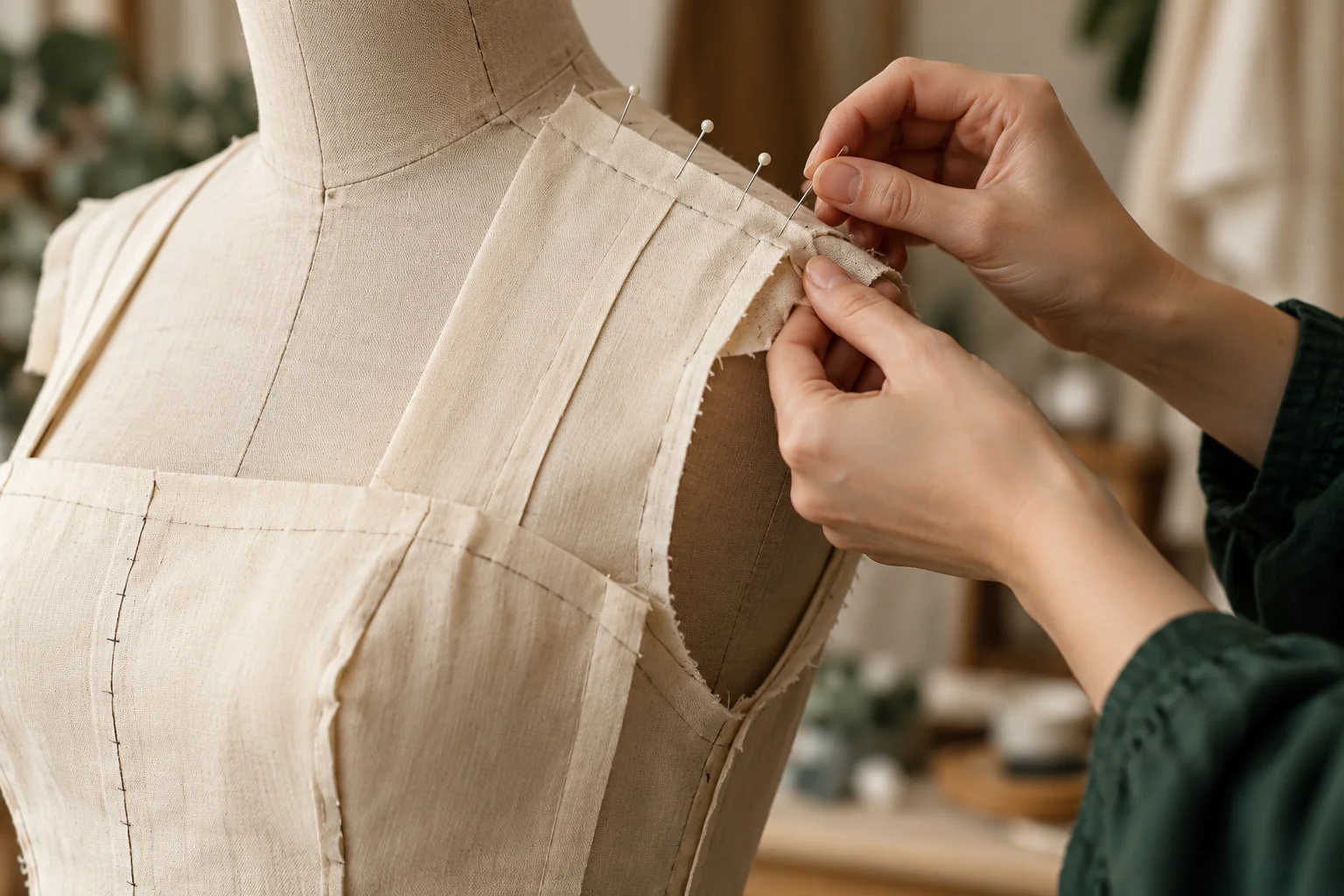
An approved sample provides a physical reference for shape, details and finishing. Patterns and specifications provide the associated instructions and measurements. Together they give production a clearer starting point than a mood board or an isolated sketch. Any unresolved issues should be identified before the order is scheduled.
A sample made in a different material may leave important questions open. Changes in stretch, weight or surface treatment can affect fit and sewing. If the final cloth or trims differ, discuss whether another test or sample is needed. An approval should refer to what has actually been reviewed, including any explicit exceptions.
Confirm the material picture
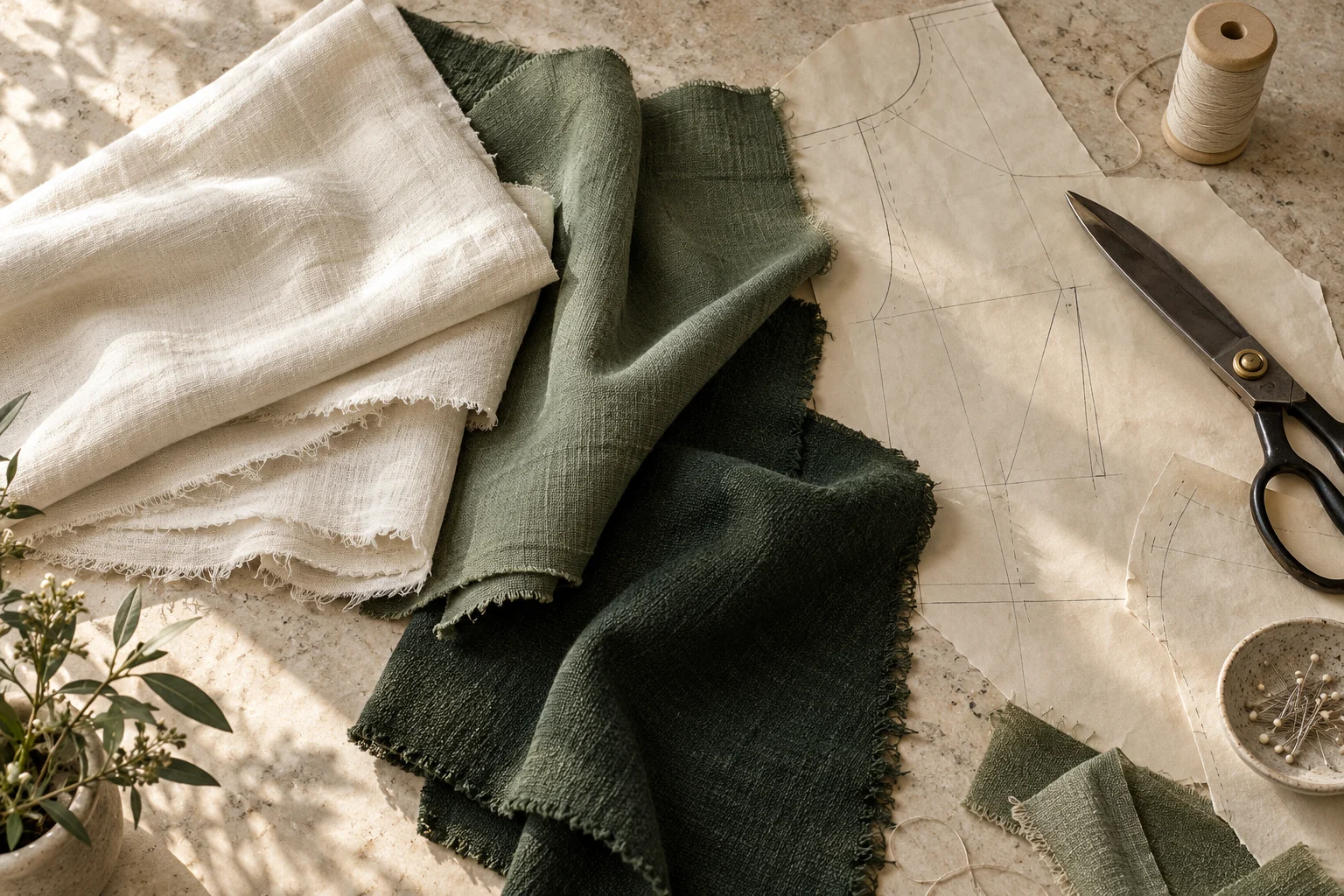
The proposed quantity must be supported by usable fabric, linings, threads, closures and other components. Total stock on hand is not the same as usable supply. Defects, cutting layouts, width and size distribution affect how many garments can be produced from a given amount of cloth.
Surplus material adds a further question: can it be repeated? If the answer is uncertain, the collection and customer communication should reflect that. A similar fabric obtained later may require technical review. Reorder assumptions should never quietly become production promises.
Keep variation visible
Every additional style, colour, size combination or decorative treatment can change the work involved. A total quantity may look straightforward until it is divided across many variants. Provide a breakdown so the studio can understand the production structure and assess whether it fits the available resources.
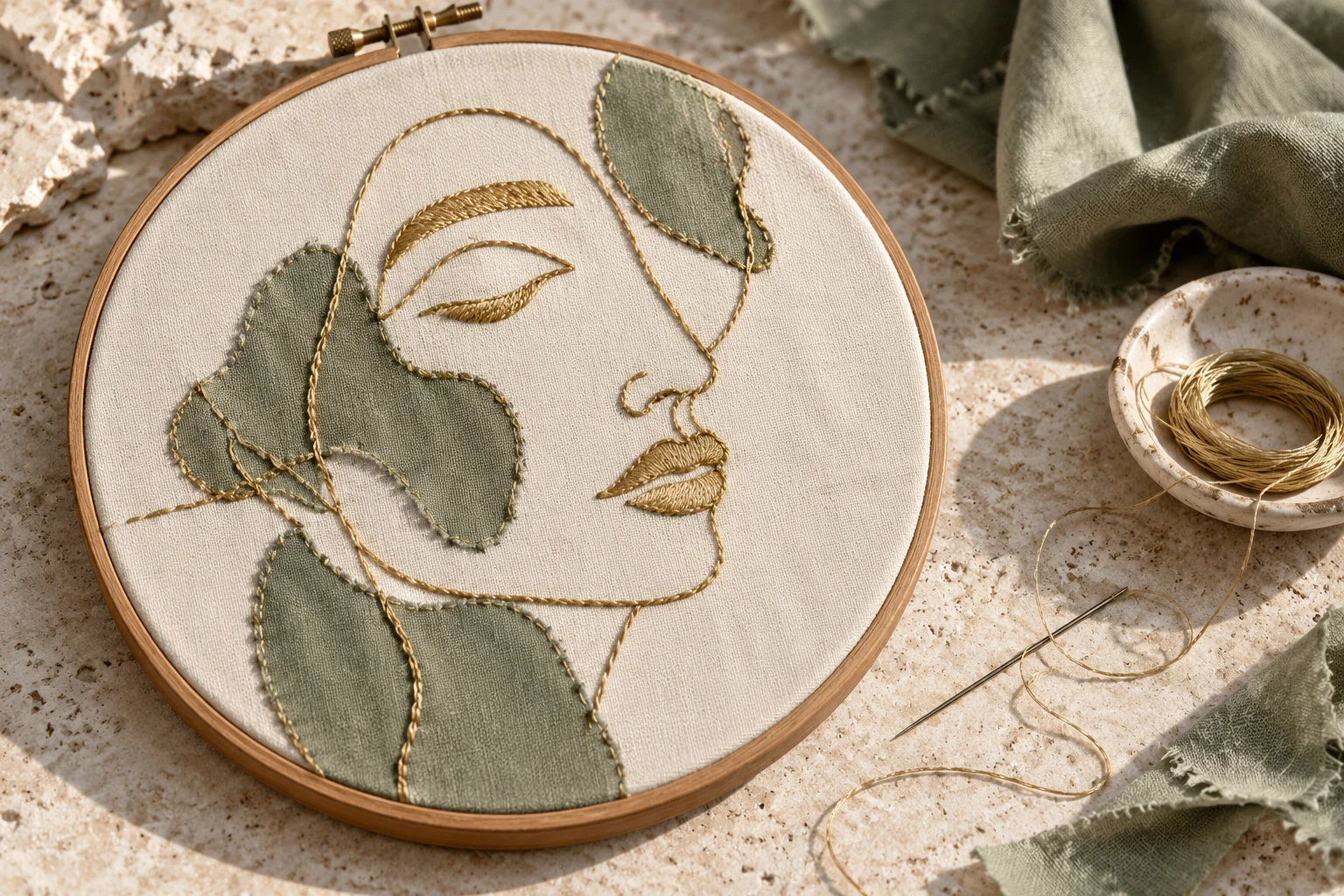
Personalization also needs definition. Names, artwork placements or unique panels can require separate handling and checks. Agree how these variations will be identified, how the correct details will be matched to each garment and what reference information is needed. Ambiguous files or handwritten changes can introduce avoidable errors.
Plan scope, costs and timing together
A useful quotation is connected to the agreed garment and production requirements. Materials, construction complexity, labour, finishing and quantity all influence it. Clarify whether pattern adjustments, sample revisions, material procurement, packaging or delivery are included. If something is outside the quoted scope, it should be visible before acceptance.
A preferred delivery date should be discussed alongside material lead times, sample approval and capacity. The schedule depends on the information and components being ready when needed. If the brief changes after approval, both cost and timing may need to be reassessed rather than assumed to remain fixed.
Define quality before the final inspection
Quality expectations should be linked to relevant measurements, construction details, decorative placement and finishing. The approved sample is useful, but it may need supporting written criteria. Different interpretations are easier to resolve before a run begins than after garments have been completed.
Inspection can look at alignment with the approved requirements, visible material defects, seam construction and finishing. Any corrective work needs a clear review process. The aim is a practical agreement about the product, not an unsupported promise that no variation or issue can ever occur.
Prepare a first inquiry that can be assessed
Common preparation gaps include missing patterns, an unapproved sample, unknown material quantities and a total order number with no size breakdown. Another is treating a target price as a confirmed production cost. Being explicit about these gaps allows the studio to identify development work before assessing manufacturing.
For a first discussion, describe the garment, development stage, proposed quantity, available materials and preferred timing. Explain what you can supply and where support is needed. POARE’s selected manufacturing offering is subject to feasibility and capacity as the Canadian studio develops. Explore small-batch garment manufacturing and technical preparation, then use the project brief tool to organize the details. No universal minimum quantity, fixed price or guaranteed lead time is implied.